Public Service Payments and State Data Exchange at the Center of Cooperation Between Banks, AKSHI, and the Ministry of Economy and Innovation
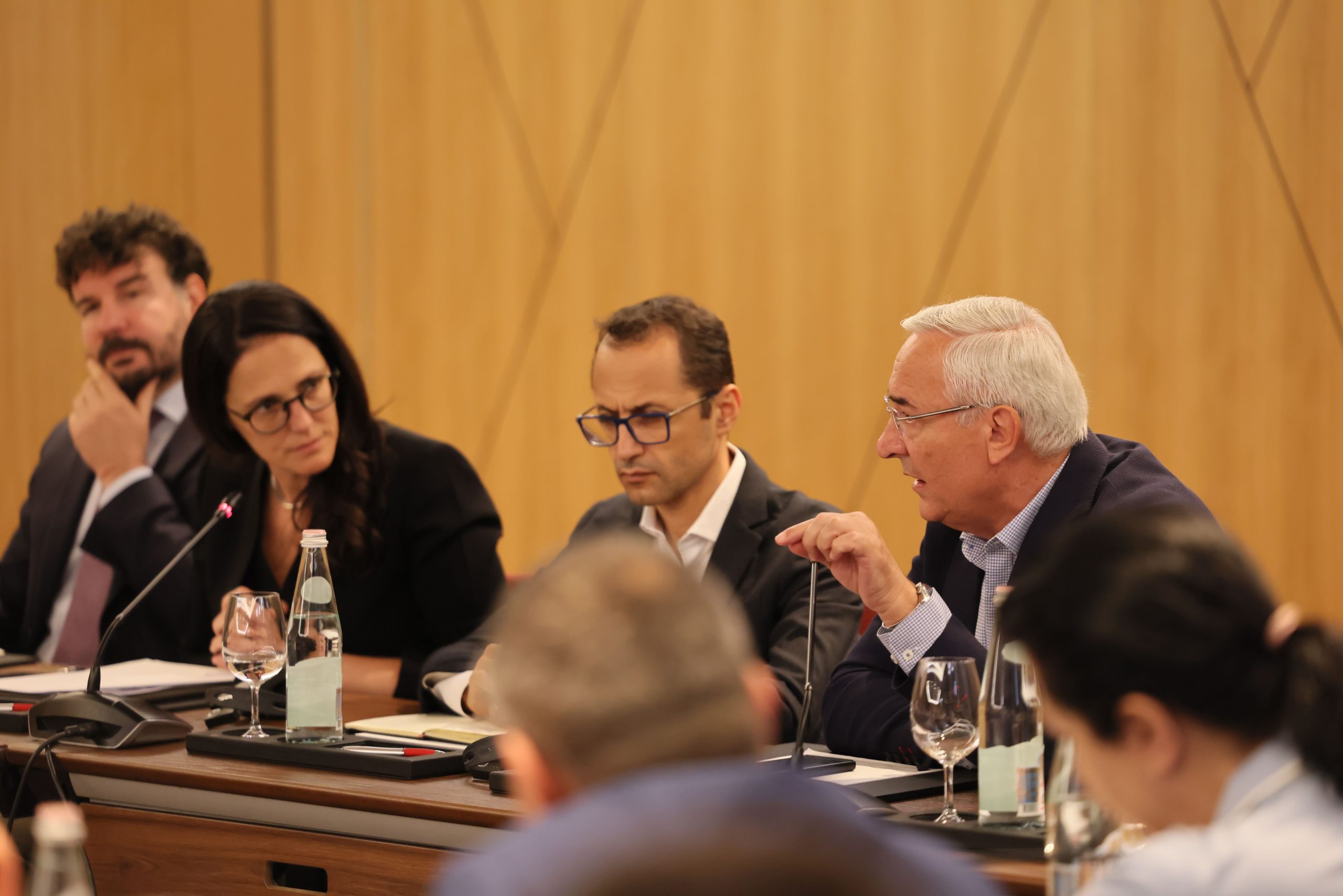
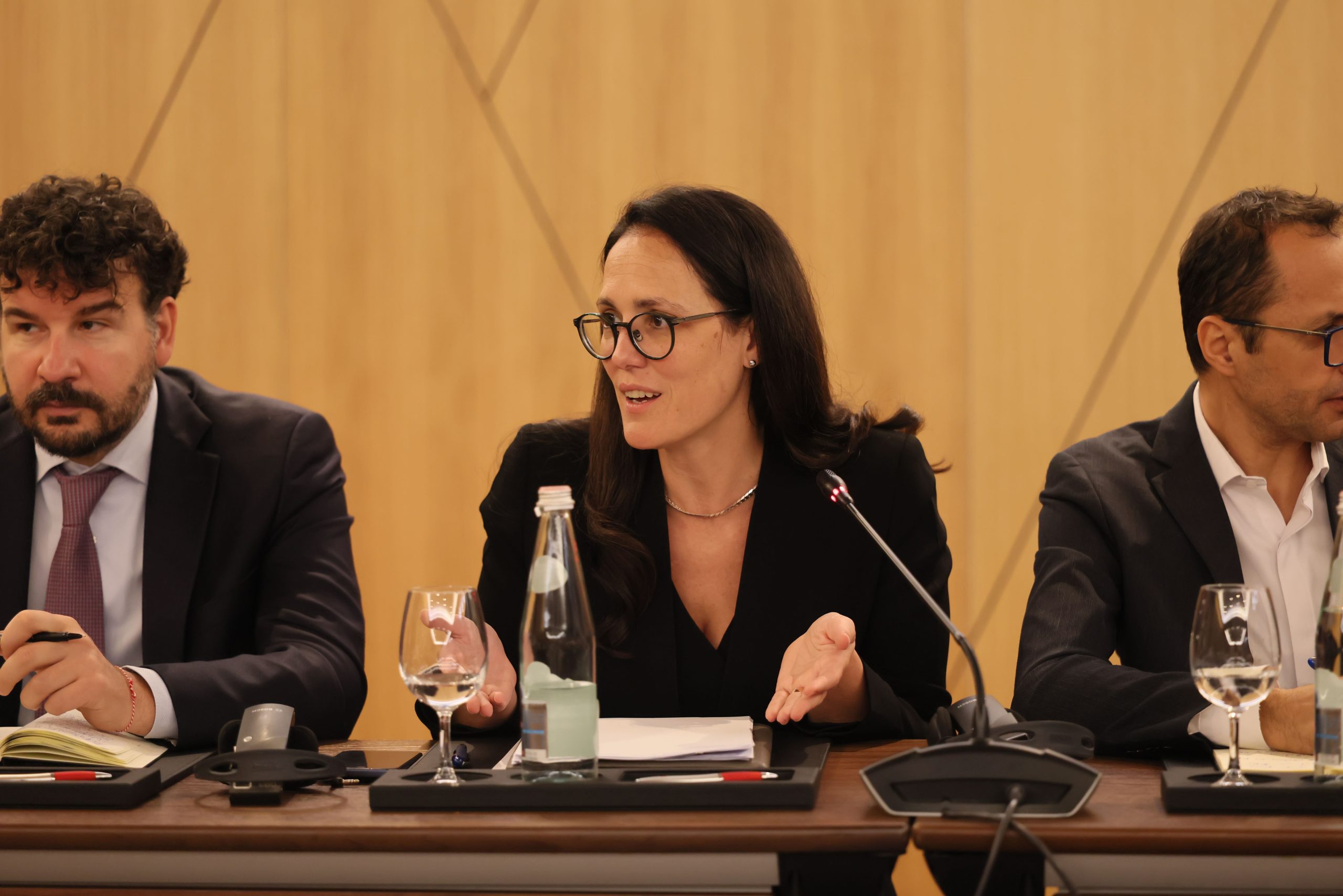
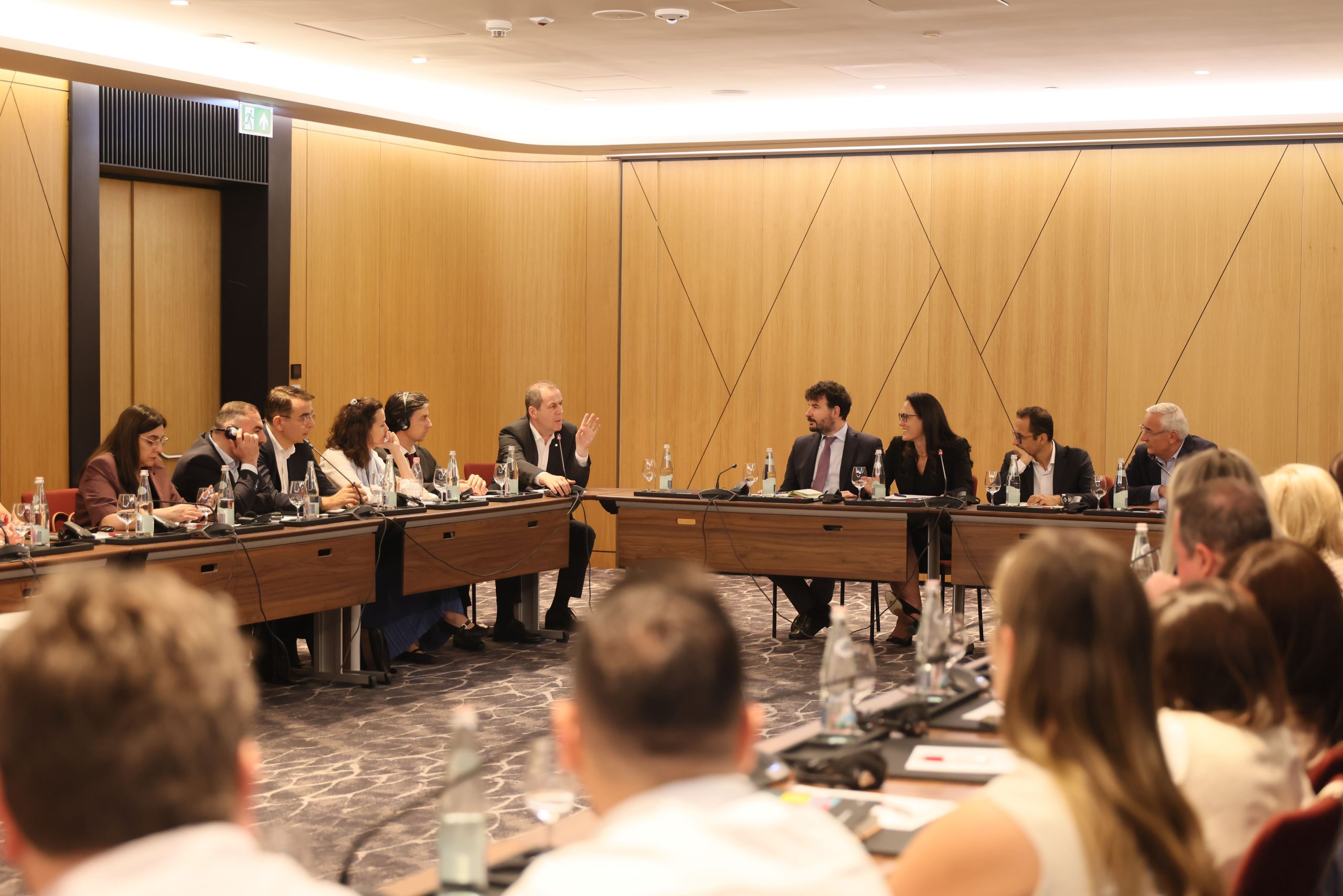
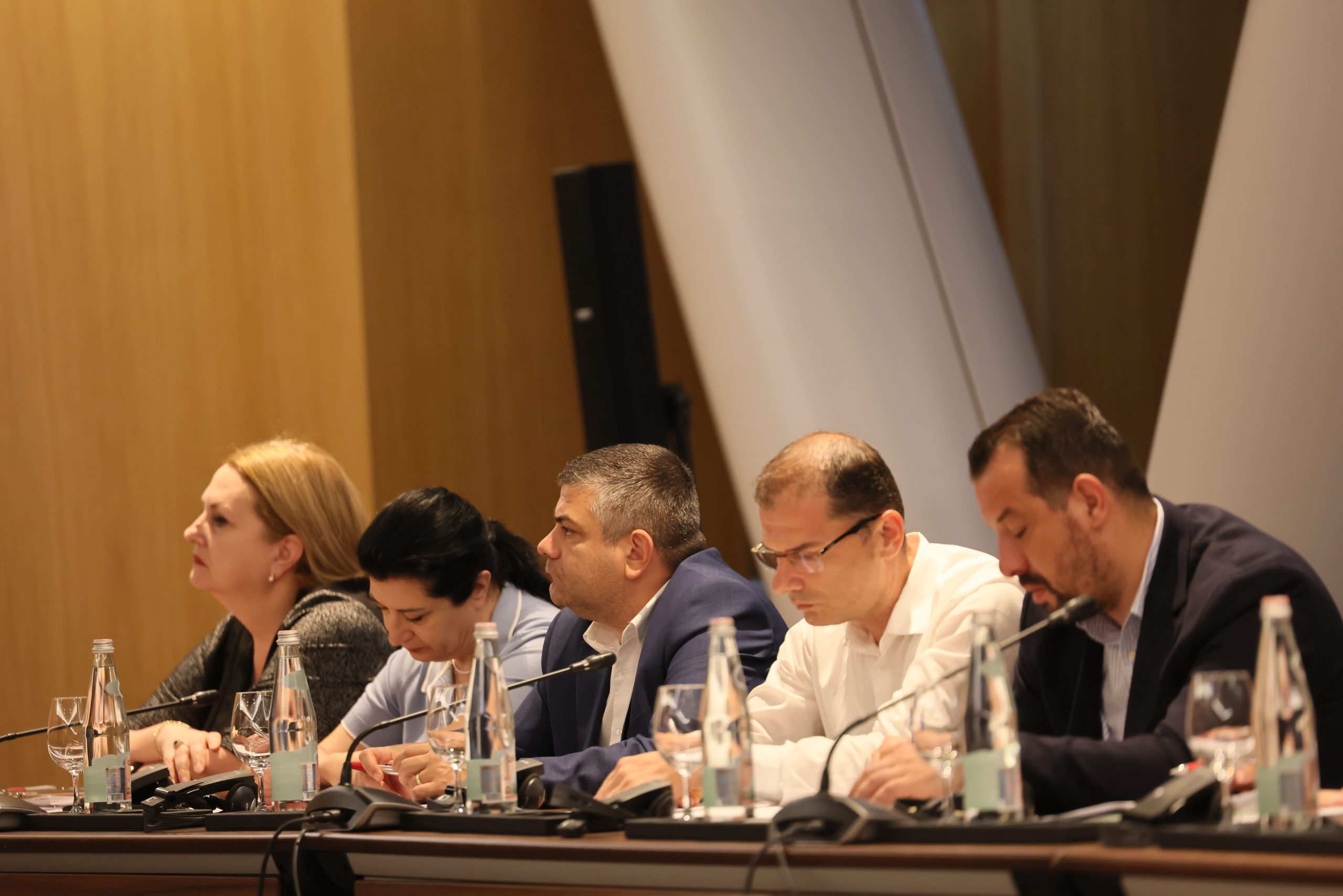
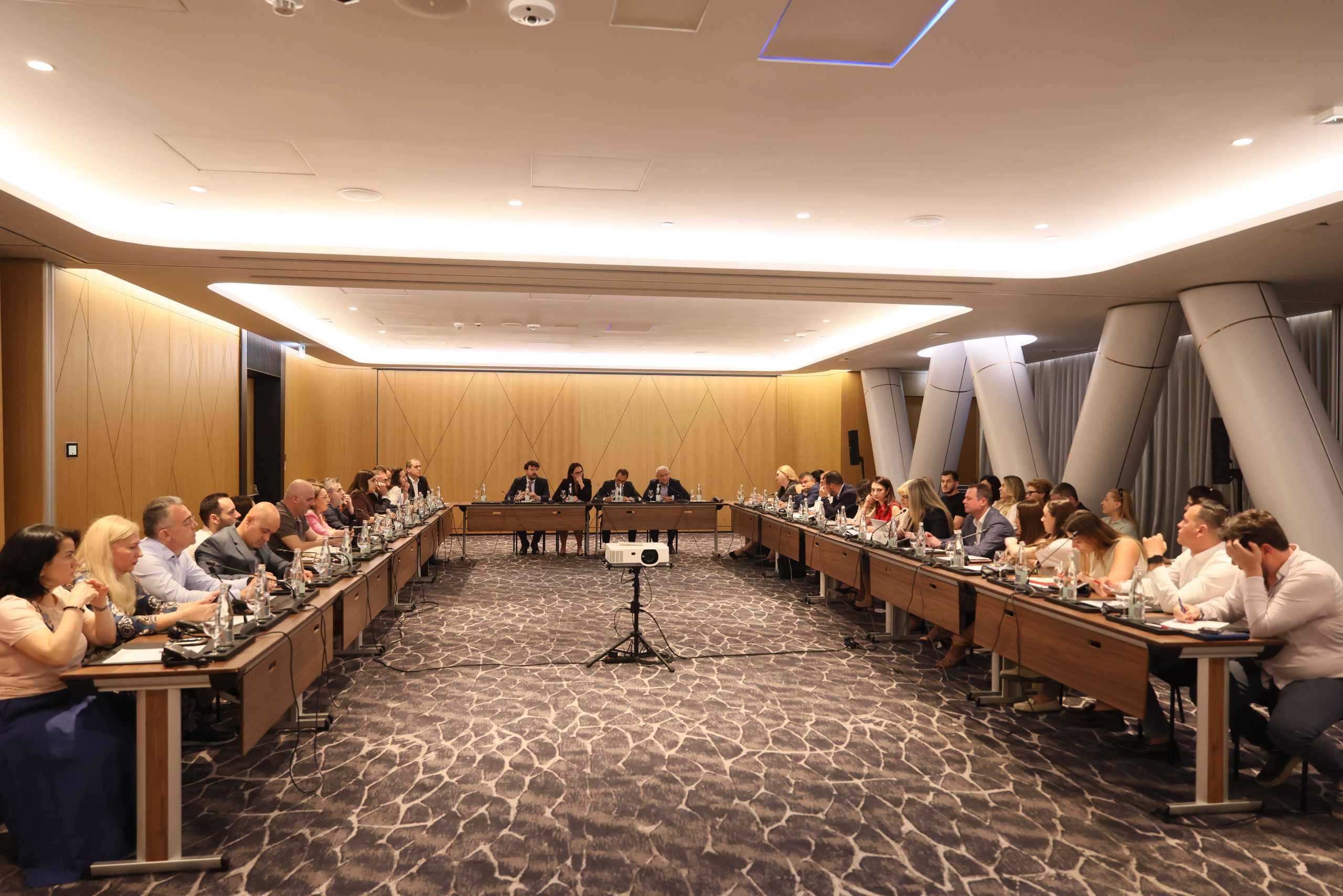
On 2 June, the Albanian Association of Banks (AAB) organized the workshop “Digitalization, Public Services and Commercial Banks”, attended by Ms. Delina Ibrahimaj, Minister of Economy and Innovation, Mr. Martin Kajo, Deputy Minister, Mr. Igli Tafa, Director General of the National Agency for Information Society (AKSHI), as well as executives and representatives of commercial banks involved in payment and digitalization processes.
The meeting focused on strengthening cooperation between the banking sector and public institutions to facilitate citizens’ and businesses’ access to digital public services through enhanced integration between banking systems, the e-Albania platform, and state data registries.
In his opening remarks, Mr. Spiro Brumbulli, Secretary General of AAB, highlighted the importance of this tripartite cooperation as a mechanism for coordinating actions and accelerating ongoing projects. He noted that banks already facilitate payments for a significant number of public services and are working to further expand these offerings in order to provide citizens with a more comprehensive and efficient experience.
Minister Ibrahimaj presented the objective of establishing a unified interaction model that would enable banks to access state data through a centralized mechanism, eliminating the need to conclude separate agreements with each institution administering public data. Such an approach would significantly accelerate service delivery and reduce administrative procedures for citizens.
One of the key topics discussed was the gradual reduction of physical document usage and the transition toward the “once-only” principle, whereby citizens would no longer be required to submit the same document to multiple institutions. In this context, participants explored the possibility of granting banks access to electronic documents generated by public institutions, allowing them to retrieve the necessary information automatically from relevant registries, subject to customer consent and in compliance with the applicable legal framework.
For citizens, these developments would translate into faster, simpler procedures and reduced documentation requirements, both when accessing public services and when using banking services.
Mr. Igli Tafa, Director General of AKSHI, emphasized the importance of extending the successful e-Albania model to banking processes by creating integrated workflows that eliminate the need for citizens to move between different systems and institutions. He underlined that digitalization should deliver greater convenience for citizens and businesses while bringing Albania closer to international best practices.
In their interventions, representatives of the banking industry reaffirmed that the sector shares the same vision for the digital transformation of services and that banks have invested and continue to invest in the infrastructure and technologies necessary to support this transformation. They also highlighted the need to reduce manual processes, strengthen interoperability with state registries, and further improve public awareness of the opportunities offered by digital channels.
The workshop also addressed the integration of public service payments with modern payment infrastructures, including the use of instant payments, as well as the broader adoption of electronic payment instruments within public administration. In this regard, participants agreed to continue technical-level discussions to address operational and regulatory issues related to transaction costs and service delivery models.
To advance these initiatives, AAB will continue to follow up on these matters through a dedicated working group, in cooperation with the Ministry of Economy and Innovation, AKSHI, and other relevant stakeholders, with the objective of developing concrete proposals and defining implementation timelines.