Market developments and challenges in the banking sector at the center of AAB meeting with economic journalists in Malta
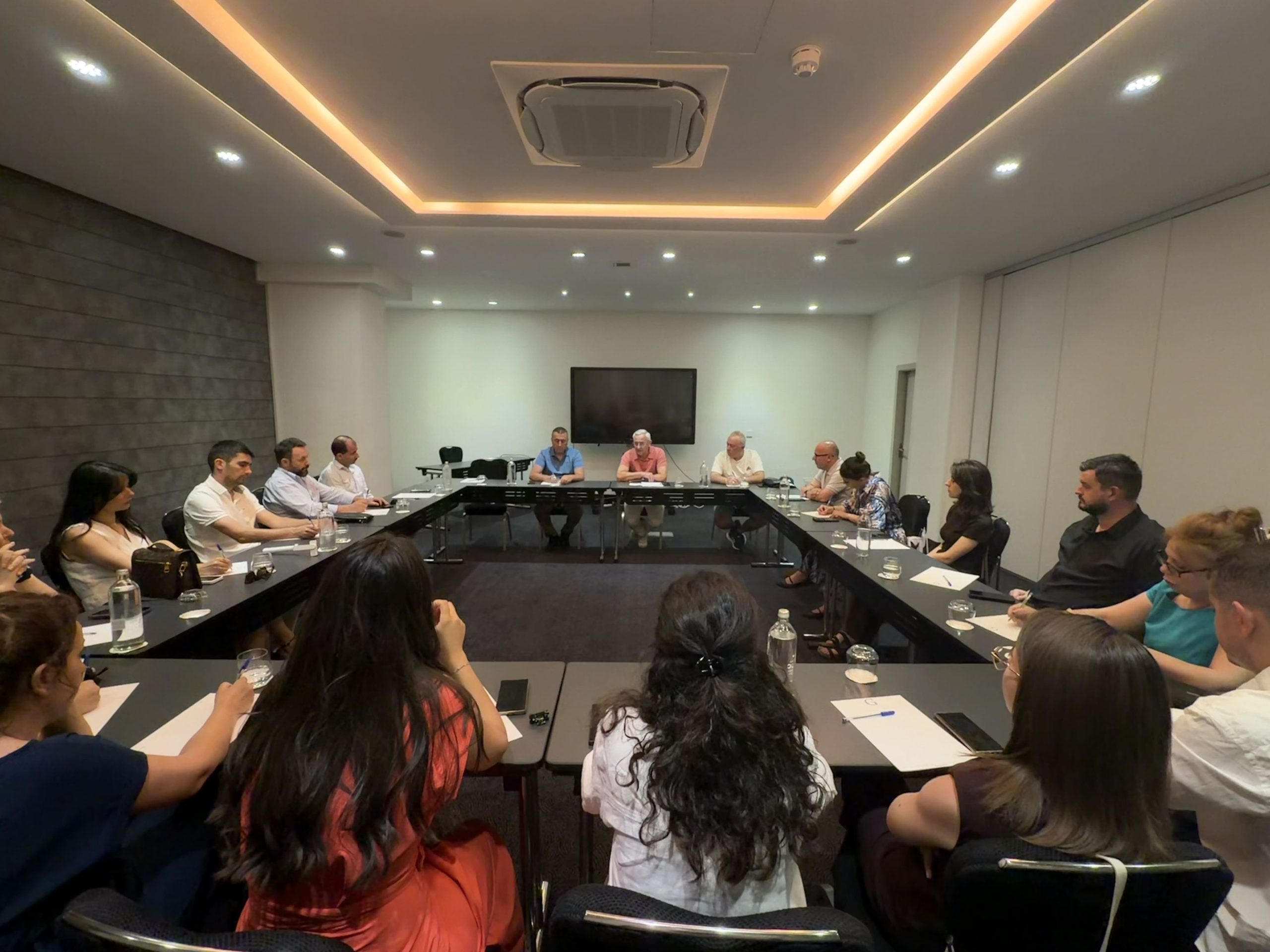

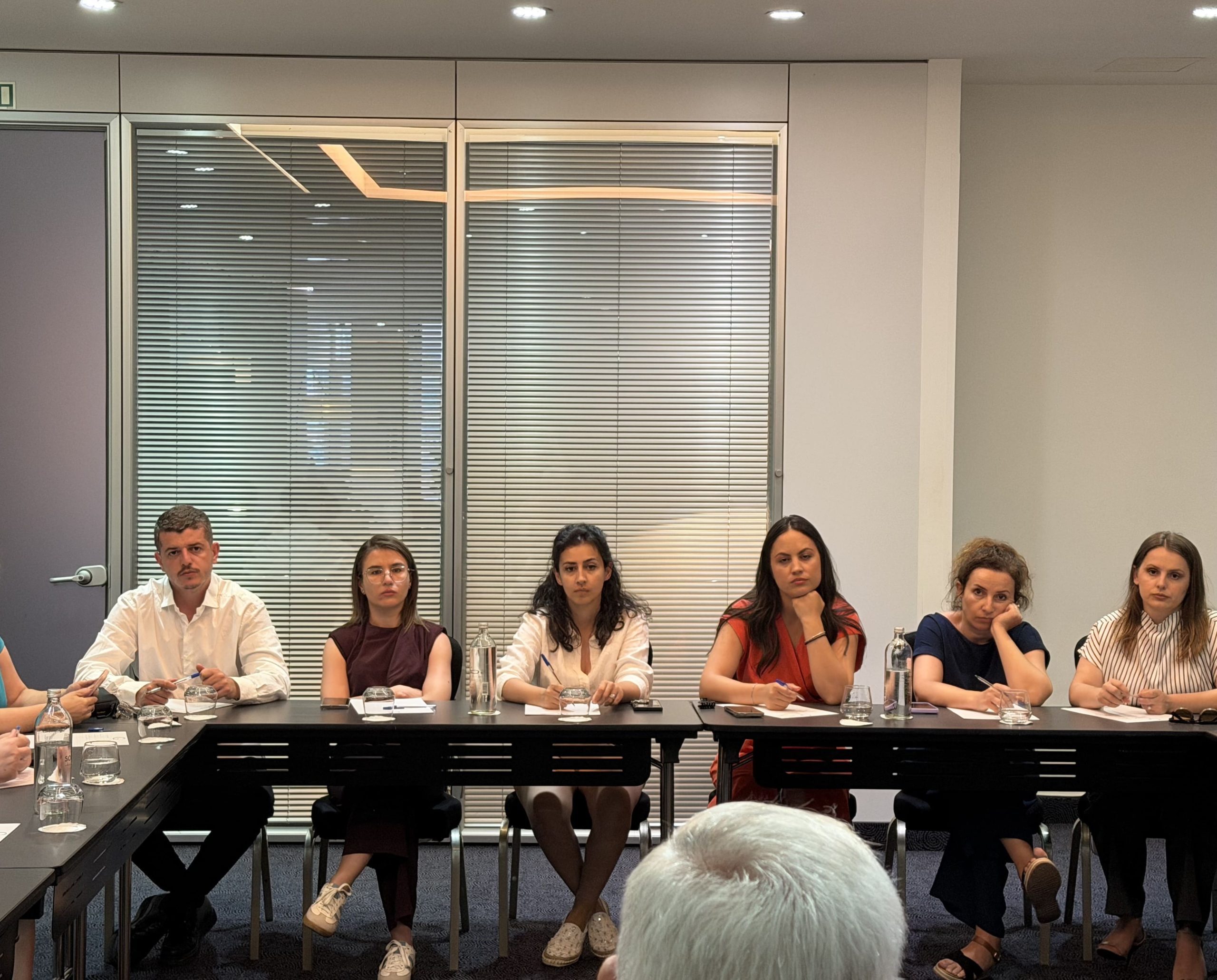
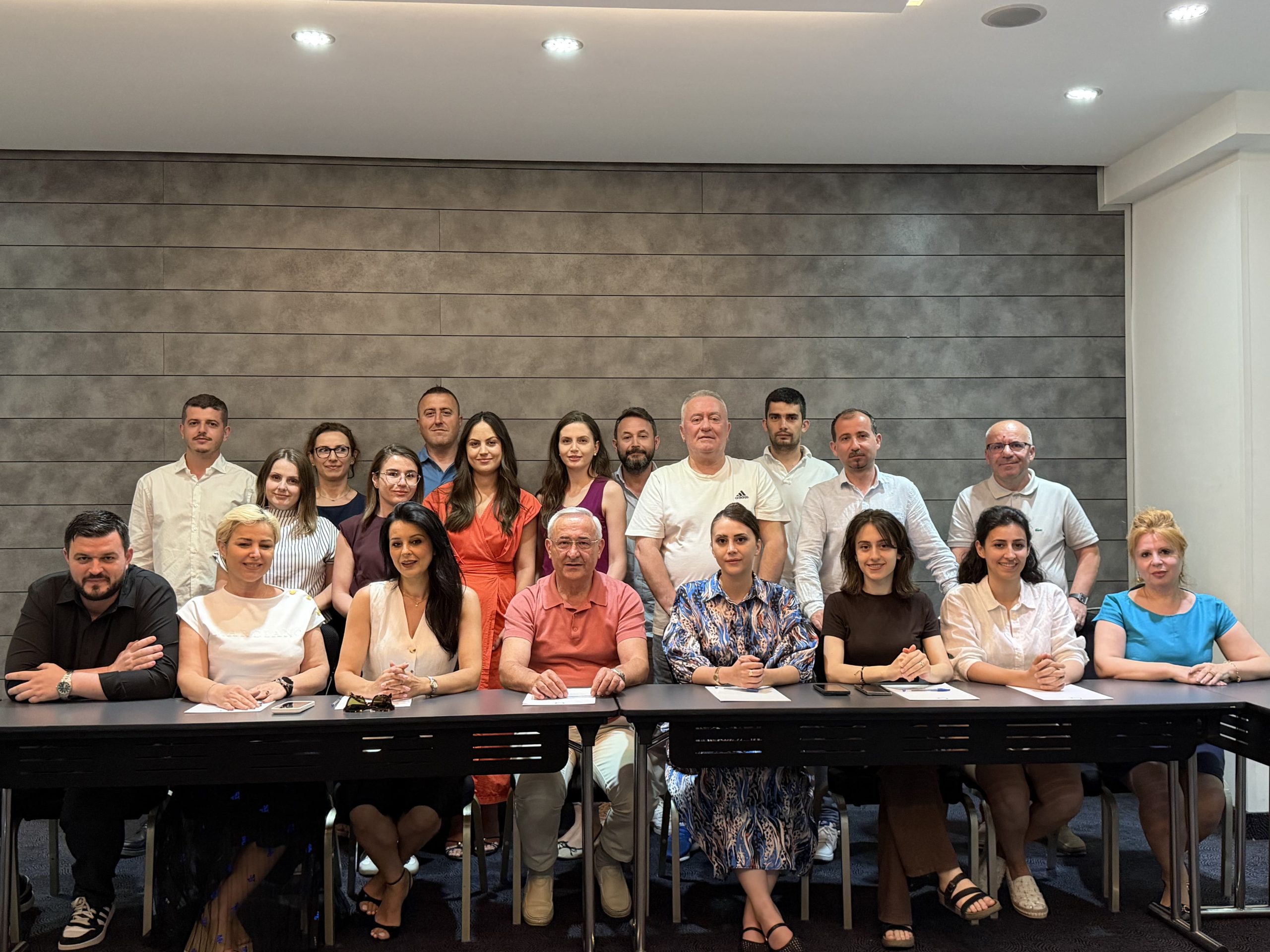
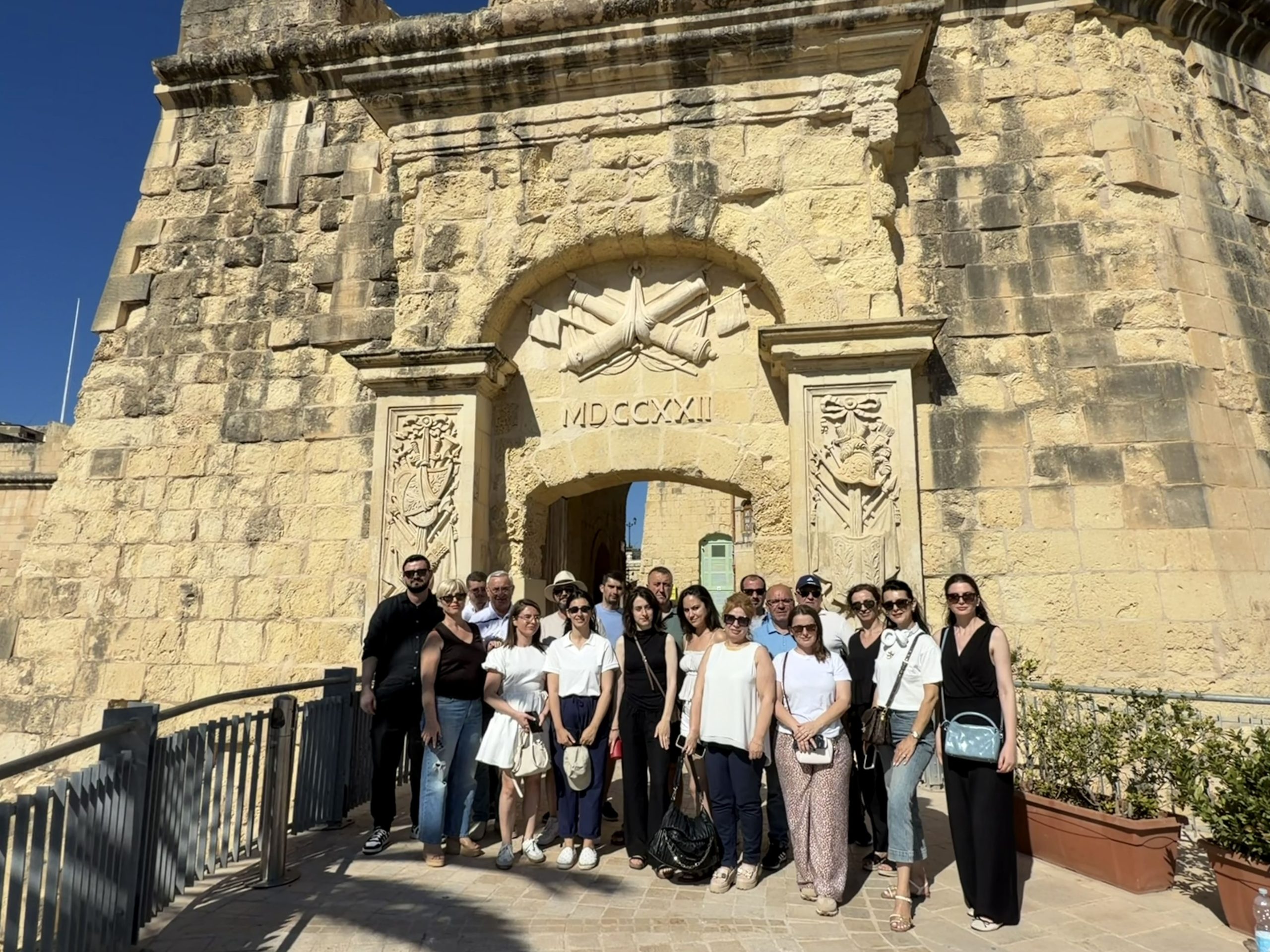
The tradition of meetings between the Albanian Association of Banks (AAB) and economic journalists in the country has continued since 2016. The eighth edition of this initiative was held in Malta from 11–14 June, with the aim of providing the media with broader information on developments in the banking market, ongoing reforms, and the challenges facing the sector.
The Secretary General of AAB, Mr. Spiro Brumbulli, emphasized that the role of banks has changed significantly over the past two decades. In addition to their traditional functions, the sector has taken on new responsibilities related to anti-money laundering measures, cybersecurity, the green transition, and the formalization of the economy. He underlined that, despite developments in electronic payments, banks remain the only institutions capable of collecting deposits and intermediating credit to the economy, while maintaining their role as guarantors of financial stability.
One of the sector’s key priorities remains the acceleration of digitalization and the expansion of the use of electronic payment instruments. In this context, AAB is simultaneously working to promote a cashless economy, reduce payment costs, and advance reforms related to the digitalization of financial services.
Following Albania’s integration into SEPA, which in just the first three months generated over 2 billion euros in transfers and more than 165,000 transactions, the sector is preparing for the introduction of instant payments, which are expected to become operational domestically in December of this year. At the same time, new services are being developed, such as remote account opening and the use of electronic signatures, marking another important step in the transformation of the banking sector.
Discussions also focused on the “Double Your Enterprise” program, which aims to support small and medium-sized enterprises in improving their technological capacity and raising standards in preparation for competition in the European market. AAB will be part of the promotional efforts led by the Ministry of Economy and Innovation, the Ministry of Finance, the Ministry of Agriculture and Rural Development, and the Bank of Albania. Financing, in addition to low interest rates, will also be supported through state guarantees for those without collateral.
Mr. Brumbulli also highlighted the resilience of the Albanian banking system, noting that no bank in Albania has ever gone bankrupt and that no economic crisis in the country has originated from the banking sector. Even during the 2008–2010 financial crisis, when non-performing loans reached around 25 percent, losses were absorbed by banks’ own capital and profits, without any financial support from the state.
The discussions also included ongoing legal and regulatory changes, related to the draft law on banks in the Republic of Albania, the reform of the deposit insurance scheme, harmonization with European Union standards, and the challenges arising from the interaction between personal data protection frameworks and the requirements of other public institutions.
As part of cooperation with state institutions to advance digitalization, the banking sector, in collaboration with the Ministry of Economy and Innovation and AKSHI, will work on integrating public service payments into modern payment infrastructures and expanding the use of electronic instruments within public administration.
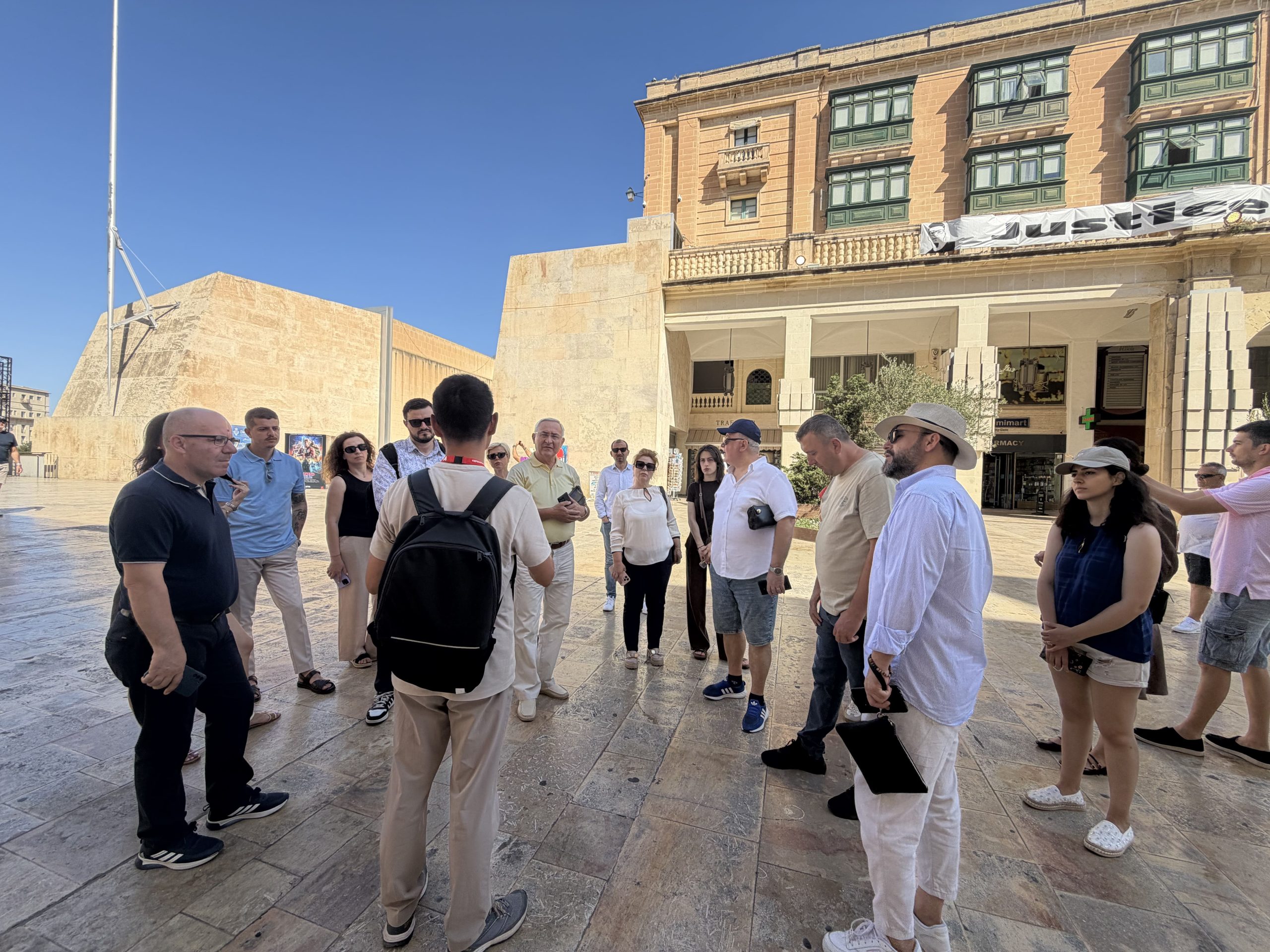
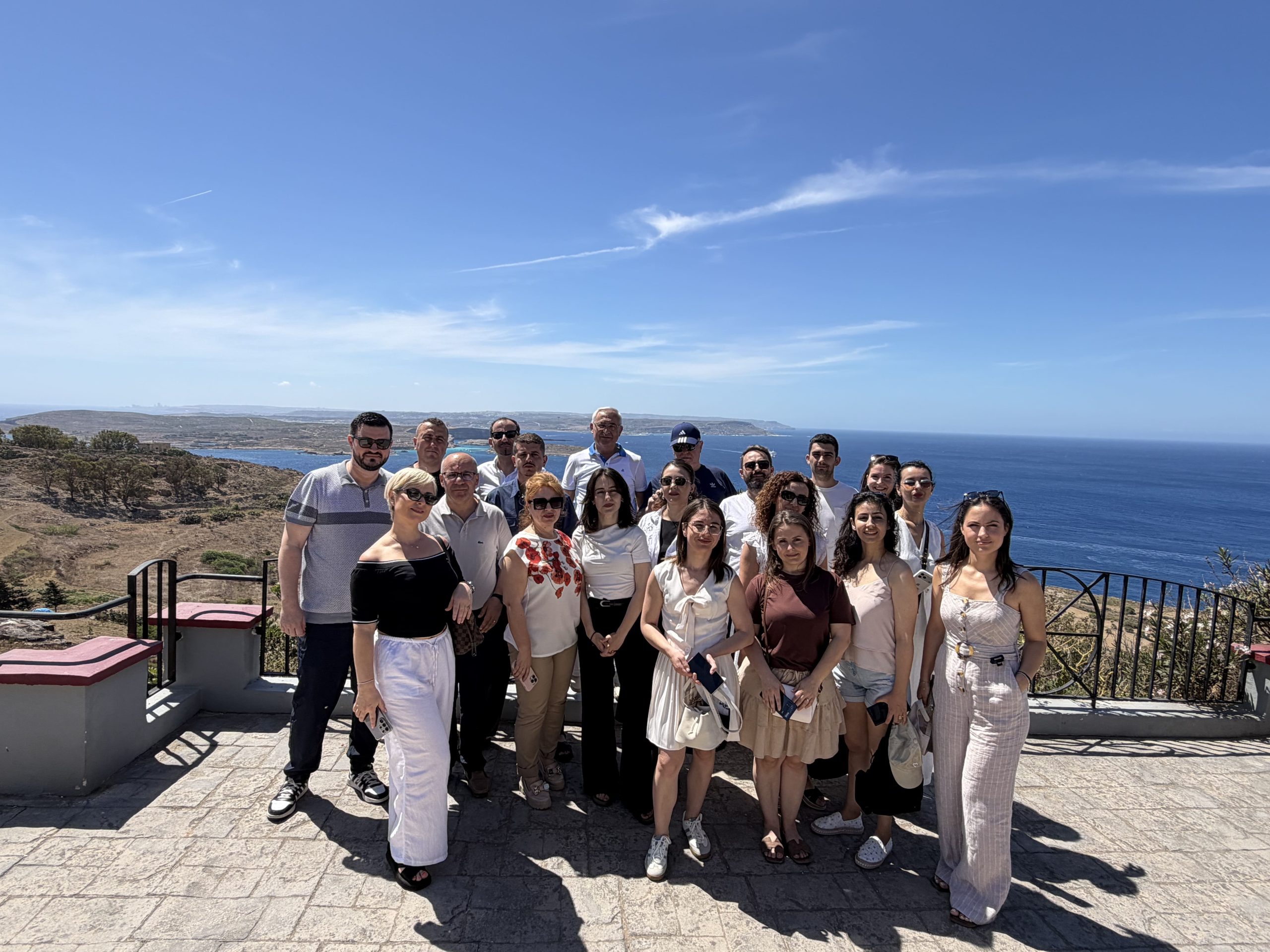
During their stay in Malta, journalists also had the opportunity to become familiar with the country’s economic developments. With around 22 banking institutions and a financial sector contributing approximately 8% of GDP, Malta ranks among the countries with the highest share of financial services in its economy. According to projections by the Central Bank of Malta, the country’s economy is expected to maintain a stable growth rate of 3.7% during the 2026–2028 period, primarily supported by private consumption and trade in services.
In conclusion, Mr. Brumbulli thanked the journalists for their interest and for their accurate coverage of issues related to the banking sector and the development of the Albanian economy.